

SEN
Special Educational Needs
Our SEND Team
SENDCO - Kay Lewis-Tuxford
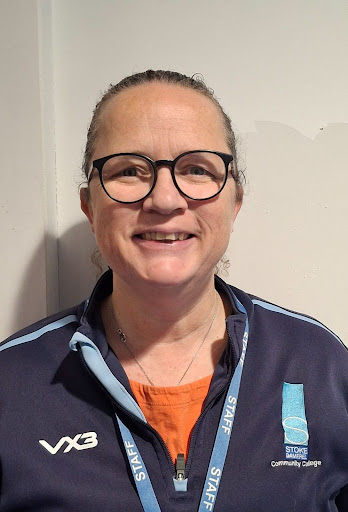 Every pupil is an individual, with their inclusion in a full and varied education being at the forefront of what we do. I am committed to ensuring that pupils experience being valued and have high aspirations for the future. We want young people to feel empowered to push for what they want and need in order to have the breadth of opportunities available to all young people. Working closely with professionals, but more importantly, the young person and their family, is key to providing a learning experience that prepares an individual for the next steps in their lives.
Deputy SENDCO - Tammie Gill
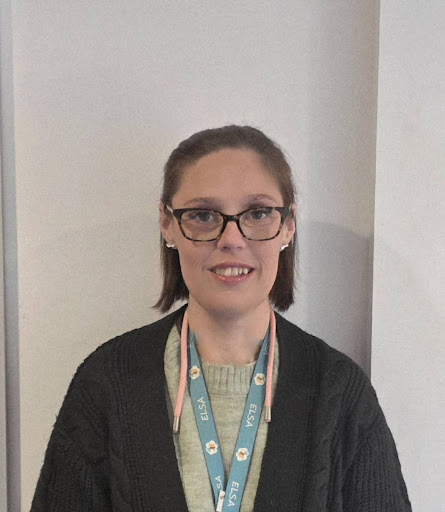 As a Deputy SENDCo, I believe inclusion is not an additional layer of our work but the standard by which all effective teaching and leadership should be judged. By planning for difference from the outset, we communicate clearly that every learner belongs within our school community. High expectations and appropriate support must exist together; SEND is never a reason to lower ambition, but a reason to refine practice so that fairness is achieved through equity rather than sameness. Effective SEND provision is a shared responsibility across the whole school, with the strongest outcomes secured through consistent inclusive practice across classrooms and strong, trusting partnerships with families and external professionals.
Deputy SENDCO - Sarah James
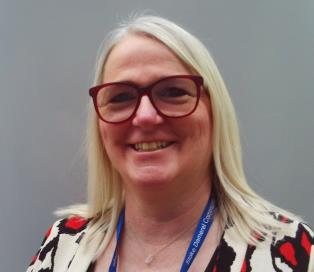 I am committed to creating an inclusive environment where the individual social, emotional and mental health needs of all students are recognised and met. By providing targeted support and appropriate provision, I aim to promote feelings of safety, resilience and wellbeing, develop emotional and behavioural regulation skills, and enable every student to achieve their academic potential.
ASC Practitioner - Faith Todd
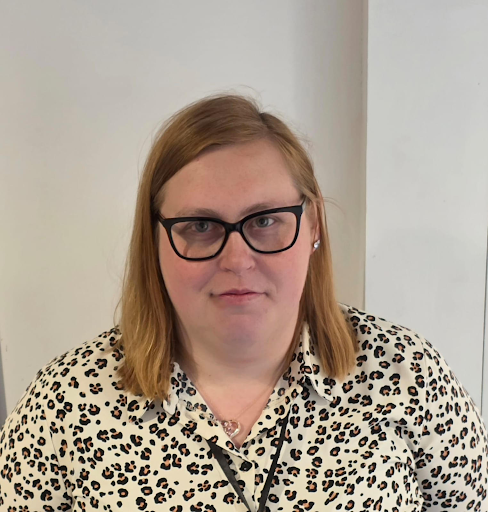 Effective support for pupils with Autism begins with understanding the individual, not the diagnosis. By creating predictable environments, teaching emotional regulation explicitly and working in close partnership with families and professionals, we enable Autistic learners to feel safe, valued and ready to engage.
SEMH Practitioner - Danella Sampey
 Strong, consistent relationships with trusted adults enable pupils to feel emotionally safe, regulate their emotions, and re-engage with learning. I use SEMH-informed and CBT-based approaches, alongside purposeful listening and time to de-escalate to support pupils to manage their behaviour and develop resilience.
SEN Administrator - Jordan Thomas
 I work closely with pupils, families, staff and external professionals to ensure support is well coordinated, communication between all stakeholders is clear allowing individual needs to be understood. I am committed to supporting families throughout their SEND journey, helping every young person to feel valued, included and able to 'Learn to Care and Care to Learn' within our school community.
What does it mean to have a Special Educational Need?
A pupil has SEN if they have a learning difficulty or disability that requires special educational provision to be made for them.
They have a learning difficulty or disability if they have:
- A significantly greater difficulty in learning than most others of the same age; or
- A disability that prevents or hinders them from making use of facilities of a kind generally provided for others of the same age in mainstream schools.
Special educational provision is educational or training provision that is additional to, or different from, that made generally for other children or young people of the same age by mainstream schools.
Scott Medical and Healthcare College is ambitious for all our pupils, and we believe that there is no ceiling on what can be achieved by anyone, regardless of their circumstances or background.
We are committed to providing a supportive and inclusive learning environment, giving every young person the opportunity to fulfil their potential now, and in the future.
The leaders at Scott Medical and Healthcare College are leaders for all pupils, enabling our teachers to be teachers of all pupils. Scott Medical and Healthcare College is committed to distributed leadership to secure the best possible provision and outcomes for pupils with special educational needs. We have the same ambition for all our pupils, and recognise the importance and impact of prioritising our responsibilities to pupils with special educational needs.
We work in partnership with pupils and their families in identifying and providing for special educational needs. Where appropriate, we also work in partnership with other agencies. We recognise the importance of communication being inclusive, accessible and culturally sensitive to achieve effective partnership working.
What this means at Scott Medical and Healthcare College
Before pupils arrive at Scott Medical and Healthcare College, we work closely with previous schools to gather vital information about their strengths, challenges and educational journey. This gives a real insight into the individual, allowing the planning of a smooth transition.
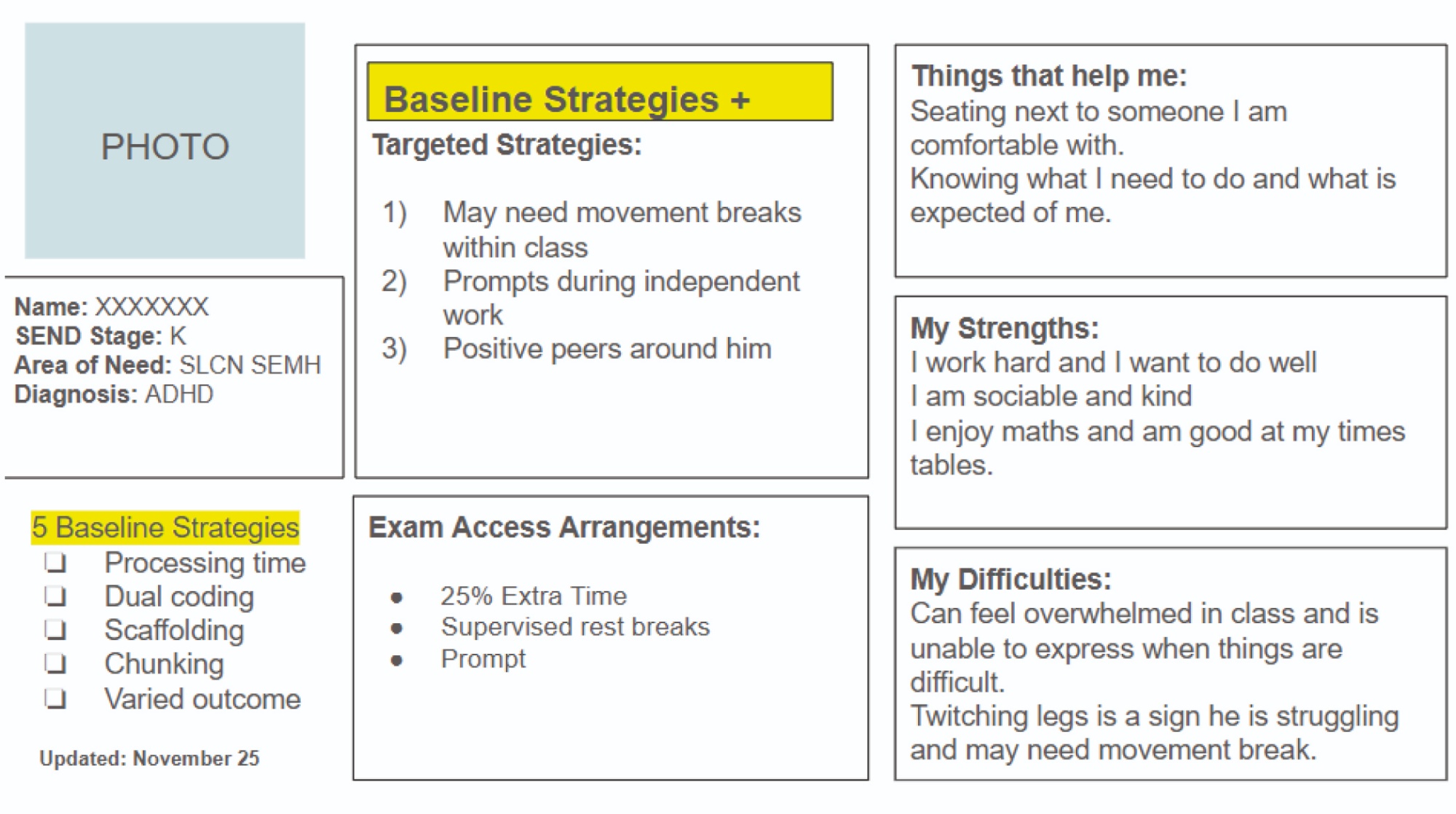
Those pupils who are identified as having additional educational needs to receive timely, strategic and individualised support strategies to have an inclusive experience. All SEND pupils have a Pen Portrait which clearly identifies targeted, in class, individual specific strategies, alongside our baseline strategies, to make all lessons accessible. As pupils progress through Key Stage 4 we implement Exam Access Arrangement assessments to ensure that the appropriate support is in place for any formal assessments to maximise their achievements.
All pupils have access to all the vast extra curricular activities programme. This is an important element for all pupils, especially those with SEND, to feel fully part of the college community. Where required, adaptations are made to offer enriching opportunities for all.
The student is at the centre of their education and, through work with their families as other external professions (where appropriate), we aim for all pupils to gain a full and enriching educational experience.
Identification and Assessment of Children with SEND
We work in close partnership with families and local settings. Many pupils with special educational needs will therefore be identified through the transition and induction process.
On entry, we assess each pupil’s current skills and levels of attainment, which will build on previous settings and Key Stages, where appropriate. We carry out additional diagnostic tests for any pupil scoring below a standardised score of 90 in their reading assessment.
Class teachers make regular assessments of progress for all pupils and identify those whose progress:
- Is significantly slower than that of their peers starting from the same baseline
- Fails to match or better the child’s previous rate of progress
- Fails to close the attainment gap between the child and their peers
- Widens the attainment gap
- demonstrates high levels of dysregulation
This may include progress in areas other than attainment, for example, social needs. Attendance and behaviour data might also be used to identify which pupils require additional support.
Slow progress and low attainment will not automatically mean a pupil is recorded as having SEN.
Where a parent/carer has a concern about their child, parents are asked to speak with the class teacher(s)/form tutor so that appropriate observations and assessments can be undertaken.
Pen Portrait
A pen portrait is a regularly reviewed document that contains the needs, strengths and individual strategies for every student with an EHCP or on SEN Support. These are developed in partnership with pupils and their parents/carers. Where appropriate, they might also include strategies recommended by other professionals.
Pastoral Support Plan
Some pupils who require more specialised support will have individualised pastoral support plans. These plans complement pen portraits. For example, a pastoral support plan will be used to:
- Track progress against long-term outcomes in Educational, Health and Care Plans (EHCPs)
- Inform medium-term and daily curriculum planning and provision where children are accessing adapted curriculum pathways
- Inform intervention planning
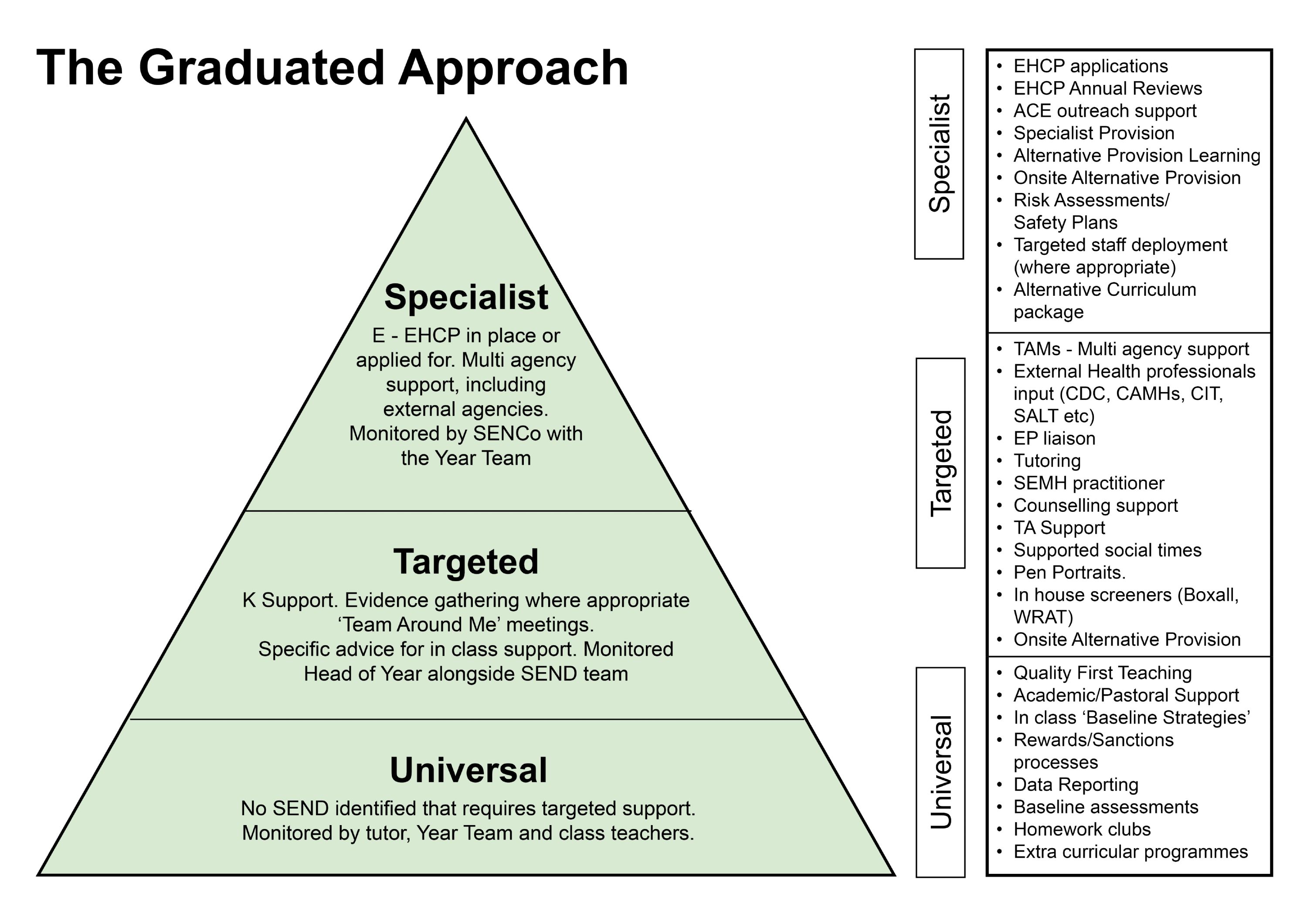
Universal Provision - High Quality Teaching
Scott Medical and Healthcare College ensures that a universal provision of high quality teaching is able to address gaps in foundational knowledge and skills. Through evidence informed classroom routines and a well planned curriculum, teachers are able to address reading fluency and accuracy, communication and language skills, writing composition and number facts. Furthermore, our carefully selected and sequenced curricula ensure foundational subject specific knowledge is secure at every step. For some students, effective in classroom, targeted support ensures gaps are identified and tackled quickly through our responsive and adaptive classroom practice.
Targeted Support
Targeted support is additional to the universal provision, it is given to specific pupils or groups of pupils who have been identified as needing extra assistance. It is planned, purposeful, and responsive to assessed needs, rather than generic help for everyone.
The aim of this support is to close gaps in learning, remove barriers, and help pupils make progress so they can better access the curriculum.
Examples of such support include academic interventions such as literacy and numeracy, or social skills group work such as anger management. Further examples can be found in the SEN information report.
Specialist Support
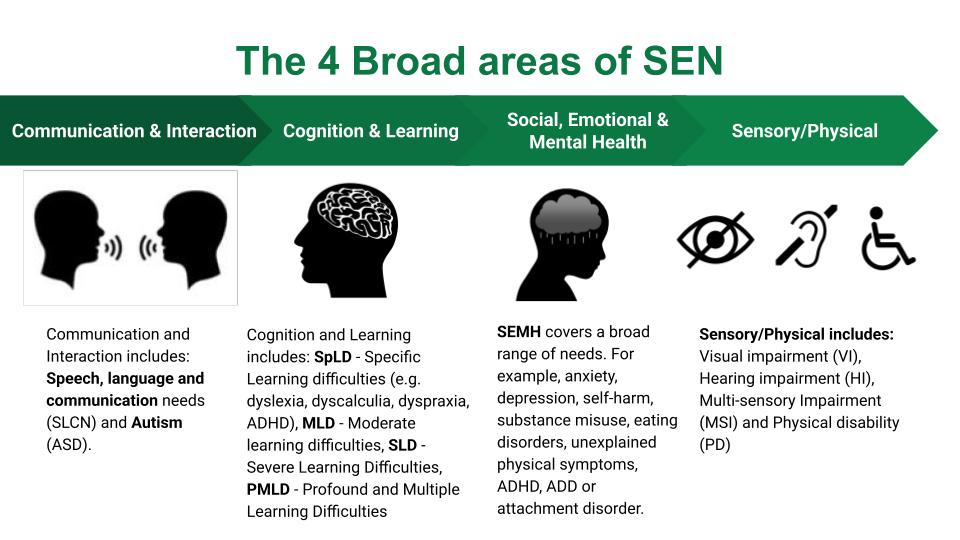
As part of the graduated response in meeting the needs of the students at SMHC, the college enlists the support of various external professionals and agencies. To meet the demands of two key areas of need, Communication and Interaction and Social Emotional and Mental Health, the school has specialist practitioners based on site.
Staff Training
All staff take part in regular in-house training looking at how to support our most vulnerable learners. External providers are also used to support staff development on a rolling programme.
Useful Links
Teacher Handbook: SEND
With contributions from specialists across the sector, the handbook is a comprehensive resource for teachers and parents to use over time. It brings together practical examples of high-quality teaching - placing focus on removing barriers to learning, getting to know and understand individual learners, and bringing to life the graduated approach. To access this free resource click on the link below and sign up to Whole School SEND:
https://www.wholeschoolsend.org.uk/teacher-handbook
Whole School SEND Online CPD Units
Free, flexible online learning to help develop inclusive practice. https://www.wholeschoolsend.org.uk/page/online-cpd-units
Local Offer
The Local Offer explains the support and services that are available for children and young people with special educational needs and disabilities (SEND) aged 0 to 25 years.
Plymouth Local Offer
Plymouth Information Advice and Support for SEND
PIASS is a confidential, impartial, information advice and support service on issues related to Special Educational Needs and Disabilities (SEND) for families living in the Plymouth local authority area.
PIASS
Mental Health Support
Kooth provides resources that enable children to learn how to manage their emotions, as well as having access to counselling online.
Kooth
Young Minds provides help and guidance for both children and their parents/carers.
Young minds
Our SEN policy, SEND report and accessibility plan can be found on our School Policies & Documents page here.